
What Happens at a Fetch Dubai Daycare Assessment?
An assessment is, in theory, about the dog. Is this dog suited to group play? Do they read social signals well? How do they handle novel environments? How do they respond to being away from their guardian?
In practice, a daycare assessment tells you as much about the facility as it does about the dog. A quick look at the dog in the yard with a few others is not the same thing as a structured observation of how a dog navigates an entirely new environment, meets new dogs at controlled arousal levels, and responds when something does not go quite to plan.
What a thorough assessment actually looks for
The Fetch acclimatisation process is not a single session. It is a phased introduction designed to gather real information across multiple dimensions.
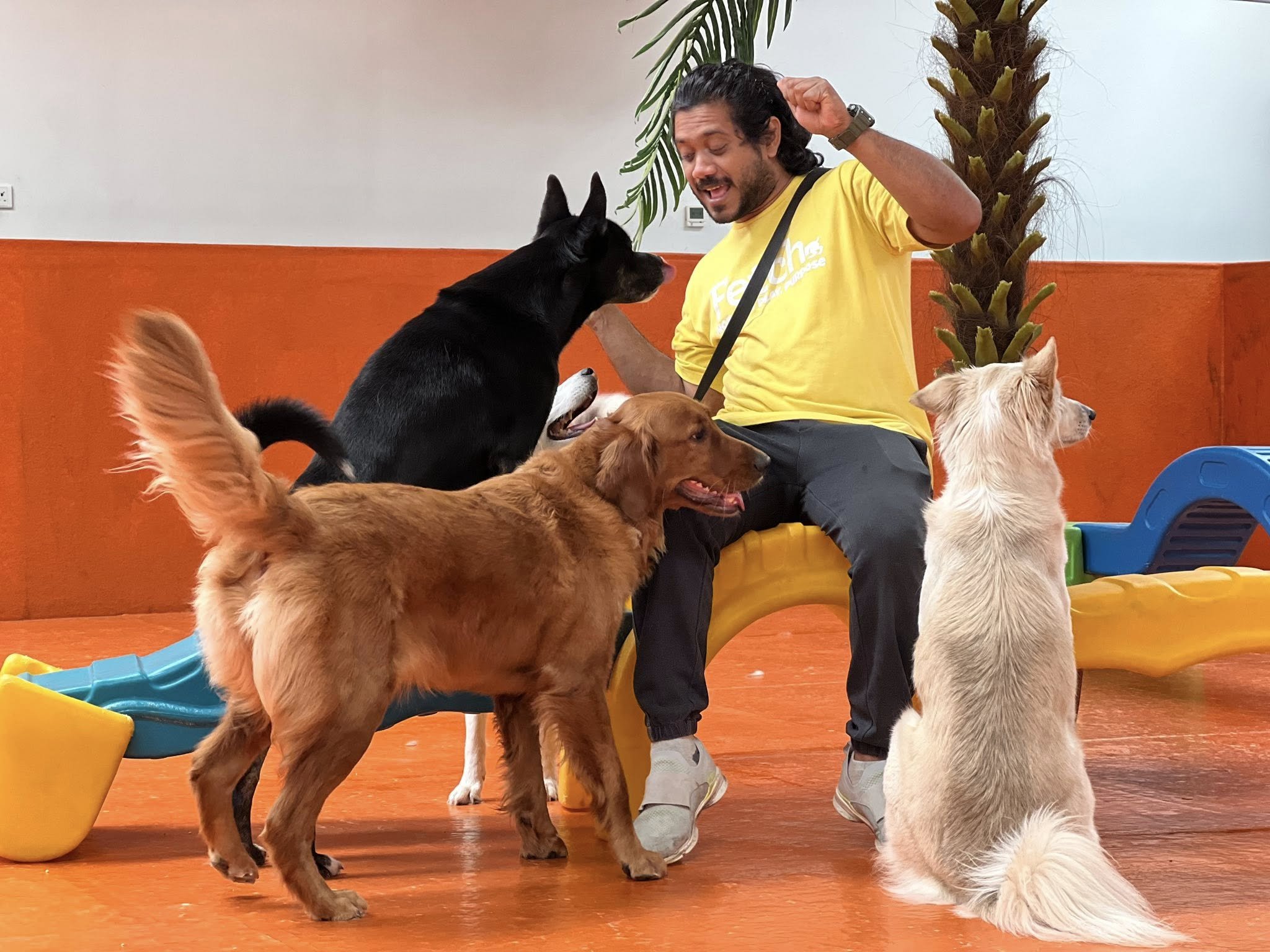
How does the dog enter a new environment? Do they move freely and investigate, or do they freeze, scan, and need time to settle? Both responses are normal, but they tell the team different things about how the dog is likely to experience the facility on an ongoing basis and what kind of support they will need at drop-off.
How do they initiate and respond to dog-dog interaction? The team is not just watching for conflict. They are watching for the subtler signals: whether the dog solicits play or avoids it, whether they respond appropriately to calming signals from other dogs, whether they can disengage when they want to, whether they are being pushed past their threshold and showing stress signals.
How do they recover? A dog who has a tense moment and returns to baseline quickly is different from a dog who has a tense moment and stays activated. Recovery speed is one of the most useful indicators of overall resilience in a group environment.
What Fetch does with that information
At the end of the acclimatisation period, the Fetch team gives you a genuine picture of what they observed. If the dog is well-suited and ready to join the programme, you hear that. If there are specific things to work on, you hear that with specifics. If the dog is not suited to group daycare, you hear that too, along with what the team thinks would serve them better.
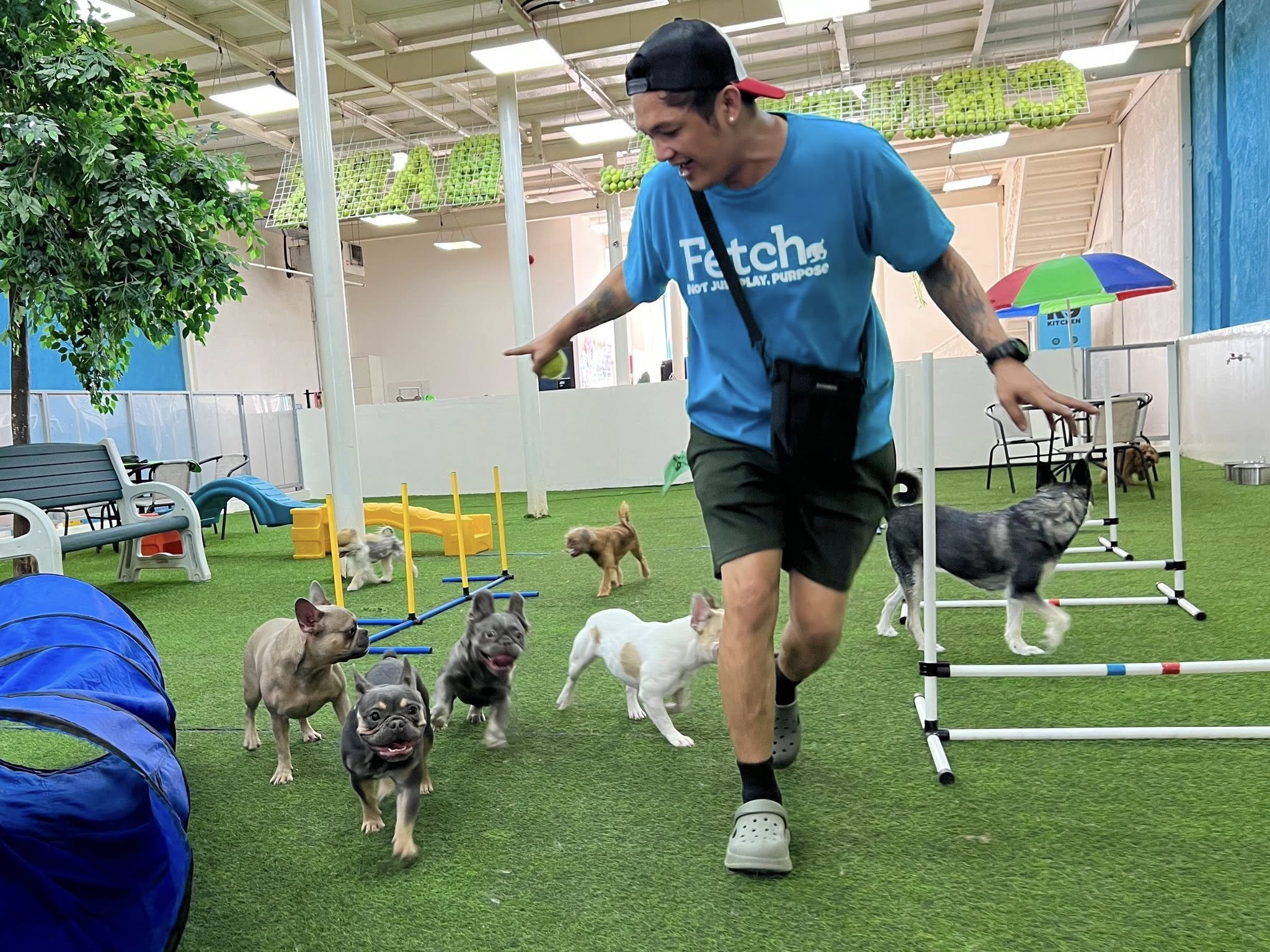
This sometimes means recommending Central Bark instead of full daycare. It sometimes means extending the acclimatisation period and going slower with introductions before the dog joins the full programme.
And occasionally it means telling a guardian honestly that group daycare is not what their dog needs right now, and talking through what alternatives would actually serve them better.
What this tells you about any facility
A facility that accepts every dog after a single group session is not doing a real assessment. They are doing a triage check for obvious liability risks. That is not the same thing as genuinely evaluating whether this dog will thrive in this environment.
When you are evaluating a daycare, ask specifically about their assessment process. How long is it? What are they observing? What would lead them to decline a dog? What do they tell guardians after the assessment? The answers will tell you more about the facility's actual approach to dog welfare than any amount of marketing copy.
Want to experience the Fetch assessment for yourself?
Join the waitlist and we will arrange your dog's acclimatisation assessment. You will leave knowing exactly where your dog stands and what we recommend, whatever that turns out to be.